
Resources Available
200+
guides, videos & tools
Your hands already know how. We help them remember.
Evidence-based guides, home exercise programs, and practical strategies for post-stroke survivors, sensory-sensitive children, and anyone relearning the movements that make daily life possible.
Visual Morning Routine Checklist
A printable, illustrated step-by-step guide to getting dressed, eating breakfast, and out the door — designed for foggy mornings.
Download Free Checklist"Will I ever be able to cook for myself again?"
After stroke, the motor pathways that once made cooking automatic need to find new routes through the brain. This is neuroplasticity — real, measurable, and possible at any stage of recovery. The key is repetitive, meaningful practice of the exact tasks you want to regain, with adaptive strategies that protect your safety and dignity while your brain rewires. Most people significantly exceed their early prognosis when they have the right tools and a structured approach.
One-Handed Kitchen Techniques
Step-by-step adaptive methods for safe meal prep using one functional hand, including cutting boards and jar openers.
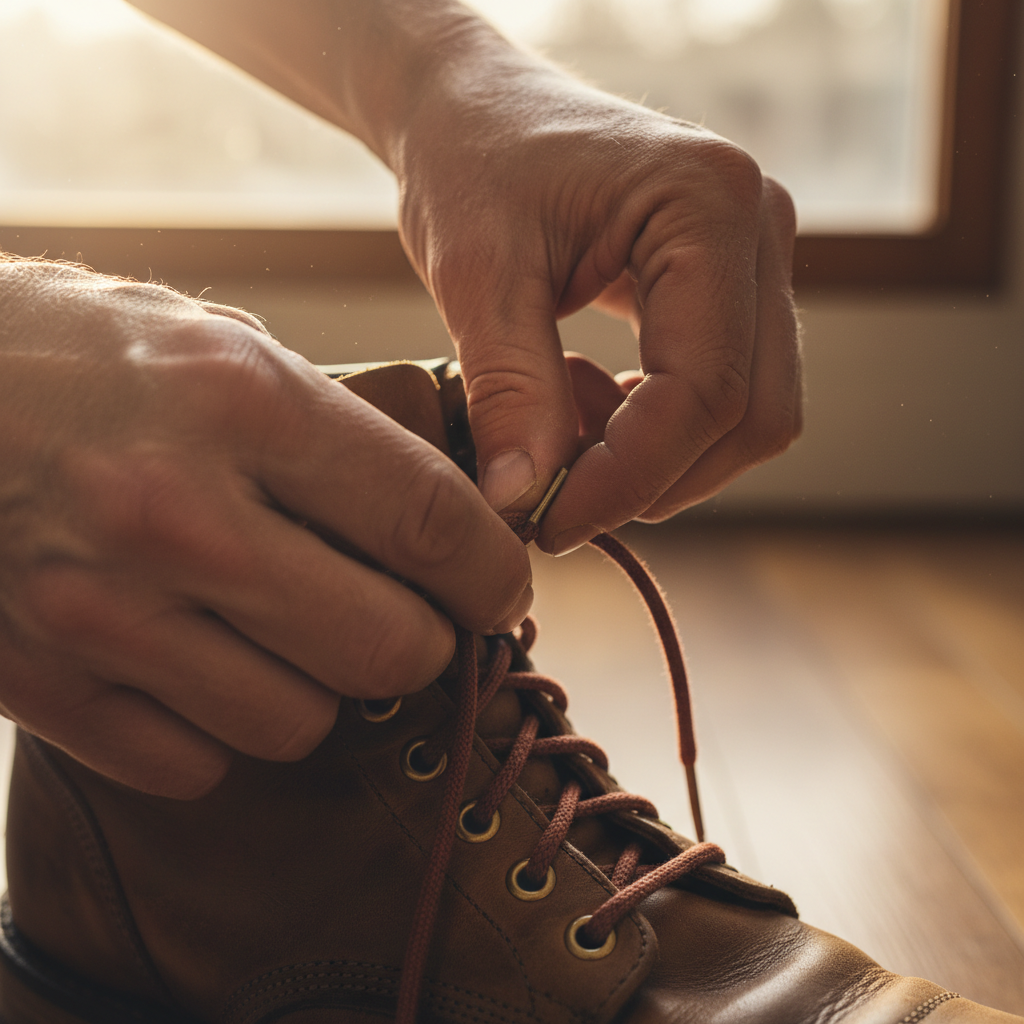
Dressing Sequence Visual Guide
Illustrated morning dressing routine with adaptive strategies for buttons, zippers, and shoes after stroke.
Shoulder Range of Motion Exercises
Gentle 10-minute video walkthrough of progressive shoulder exercises to regain overhead reach.
ADL Independence Tracker
Weekly self-assessment to track progress across dressing, bathing, cooking, and community tasks.
"Six months after my stroke, I made scrambled eggs by myself for the first time. I cried the whole time I was eating them. These guides gave me the steps — I just had to keep showing up."
Margaret Osei
Stroke survivor, 14 months post-event
"Why does my child cover their ears at every birthday party?"
Sensory processing differences mean your child's nervous system interprets sound, touch, movement, or light at a different volume than neurotypical children. Birthday parties are a perfect storm — unpredictable noise, unexpected touch, bright lights, and schedule disruption all arriving at once. This isn't behavior; it's neurology. Sensory integration therapy and a thoughtful sensory diet can significantly reduce the overwhelm and help your child build tolerance gradually, on their terms.
Sensory Diet Planning Guide
Build a personalized daily schedule of sensory activities that regulate your child's nervous system throughout the day.
Oral Sensory Alternatives to Chewing
Safe chewy tools, crunchy snack strategies, and oral motor activities to replace destructive chewing behaviors.
Sensory Profile Screening Checklist
Identify whether your child is sensory-seeking, sensory-avoiding, or a mixed profile — and what that means at home.
Sound Sensitivity Strategies for Parties
Practical preparation strategies for noisy events: ear defenders, visual schedules, and exit plans that actually work.
"I stopped fighting my son's need for chewy tools and started working with it. The oral sensory guide helped me understand why — and the alternatives actually worked. He wore his school uniform all day last Tuesday."
Priya Nair
Parent of a sensory-seeking 7-year-old
"My hands go numb at my desk. How long until it's permanent?"
That familiar tingling in your fingers at the end of a long workday is your median or ulnar nerve telling you it's been compressed too long. The good news: caught early, repetitive strain injuries and carpal tunnel syndrome respond extremely well to ergonomic correction, nerve gliding exercises, and strategic splinting. The window to reverse this without surgery is wider than most people realize — but it does require action, not just rest.
Ergonomic Desk Setup Checklist
Wrist, elbow, and shoulder positioning guide with photos — fix your setup in 15 minutes to stop the tingling.
Nerve Gliding Exercises for Carpal Tunnel
Illustrated 5-minute nerve flossing routine proven to reduce numbness and improve median nerve mobility.
Splint Wearing Schedule Explained
When to wear your wrist splint, when to take it off, and how to keep your skin healthy underneath.
Symptom Tracking Log
Two-week daily log to identify patterns in your numbness, tingling, and grip strength to share with your therapist.
"I was convinced I needed surgery. The nerve gliding exercises in the PDF felt too simple to work — but three weeks later I was sleeping through the night without waking up with numb hands. I wish I'd started six months earlier."
Daniel Kowalski
Software engineer, 8 years at a keyboard
"How do I get through a morning when my brain won't sequence anything?"
Cognitive fatigue, executive dysfunction, and post-illness brain fog share a common challenge: the sequencing engine that runs morning routines automatically has gone quiet. The solution isn't trying harder — it's building external structure that does the sequencing for you. Visual schedules, environmental cues, and energy conservation strategies let you offload the planning work so your available cognition can go toward actually doing the task.
Cognitive Morning Routine Map
Visual sequencing guide for mornings when brain fog makes every step feel like a decision — designed for low-energy days.
Energy Conservation Techniques
Pace yourself through cooking, cleaning, and errands using the 4P approach: Prioritize, Plan, Pace, Position.
Adaptive Equipment Introduction
A tour of 12 common adaptive tools — button hooks, rocker knives, long-handled reachers — and exactly when to use them.
Home Safety Walkthrough
Room-by-room fall prevention and accessibility checklist — bathroom, kitchen, bedroom, and stairways.
"I printed the morning routine map and taped it to my bathroom mirror. It sounds so small. But I've been on time to work four days in a row for the first time since my diagnosis."
Ama Darko
Managing fatigue from long COVID
"How do I help without making them feel helpless?"
The hardest thing about supporting someone in recovery is calibrating your help. Too little leaves them unsafe; too much takes away the effortful practice their brain and body need to rebuild independence. OT caregiving science is clear: graded assistance — stepping in for the hardest 20% while letting them do the rest — produces better recovery outcomes and preserves dignity. These guides give you the language, the techniques, and the permission to do caregiving differently.
How to Help Without Taking Over
The most important skill in caregiving: knowing when to step in and when to wait — and how to tell the difference.
Communication Strategies Post-Stroke
Scripts and approaches for talking with someone experiencing aphasia, apraxia, or cognitive changes after stroke.
Caregiver Burnout Self-Assessment
Recognize the early signs of compassion fatigue and identify which support resources apply to your situation.
Safe Transfers & Mobility Assists
Body mechanics and assisted movement techniques to protect both you and your loved one during daily transfers.
"The 'how to help without taking over' guide changed how I talk to my dad every single morning. I didn't realize how much I was doing for him that he needed to be doing himself."
James Reyes
Caregiver for father recovering from stroke